Veteran Business Super Intelligence℠ · Sponsored by National Invest In Veterans Week®
Momentum Pick Your Region and Share the Stats
Thirty-day growth in percent, a region picker built on the SBA certified-firm list, share-ready text with a time stamp, and a message from our Vice President, a Navy veteran. No raw traffic counts are shown.
Veteran Business Super Intelligence℠ · Sponsored by National Invest In Veterans Week®
South Carolina Invests in Veterans H. 3825, Lexington and the Data
The 2021 South Carolina resolution commemorating National Invest in Veterans Week, and a Lexington Chamber column on five ways veteran entrepreneurs can feel more empowered, each paired with data from the SBA certified-firm list, the Federal Reserve, IVMF, SBA Advocacy and FINRA.
Newest release confirms the trillion-dollar impact of the veteran economy.
ACCESS CENSUS RELEASE ↗Veteran Business Super Intelligence℠ · Sponsored by National Invest In Veterans Week®
Douglas County Invests in Veterans The 2022 Proclamation and the Data
In March 2022 the Douglas County, Oregon commissioners proclaimed Invest in Veterans Week and honored local employers, veteran-owned businesses and veterans who help other veterans. This briefing sets that ceremony beside data from the SBA certified-firm list, the Federal Reserve, IVMF and SBA Advocacy.
Veteran Business Super Intelligence℠ · Sponsored by National Invest In Veterans Week®
Micro-Prime Procurement Intelligence for Veteran Firms
An intelligence and compliance architecture for small federal awards: find and match opportunities, qualify and bid correctly, and keep the records, tested against FAR thresholds, federal contracting goals and the SBA certified-firm list.
🫡Our Team
-
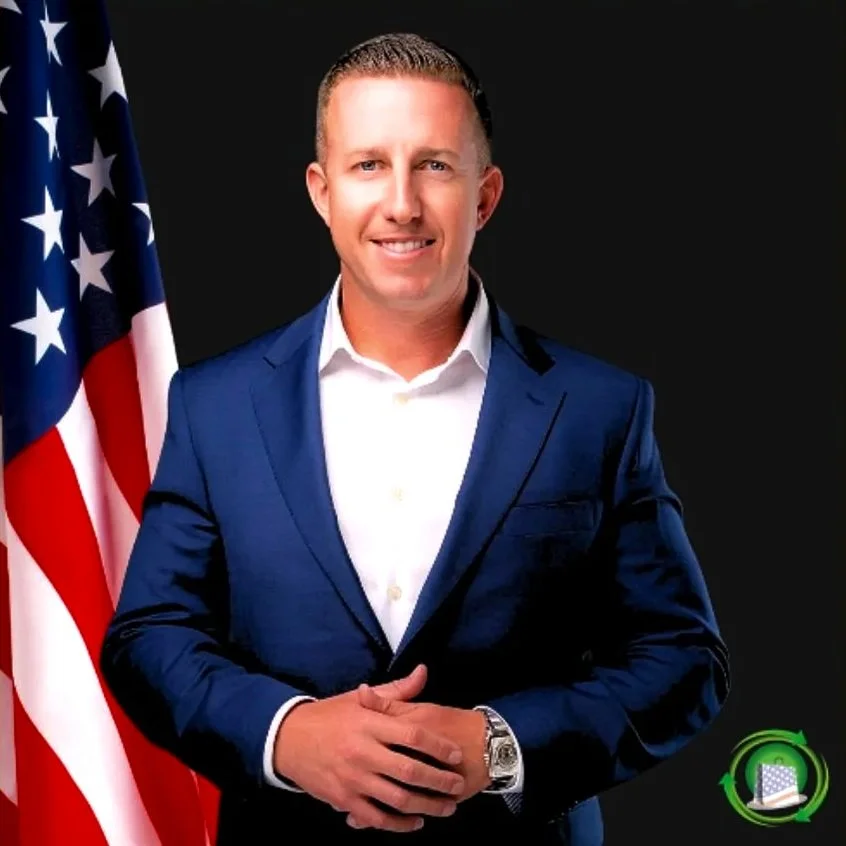
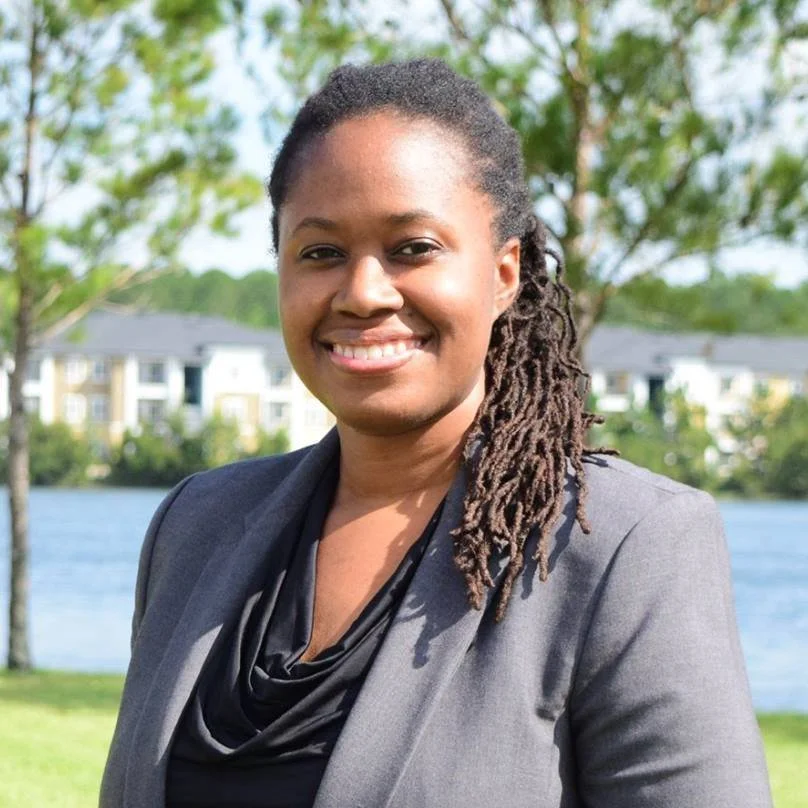
President Angel Shuford
Chief Financial Officer (CFO) | Army Veteran
-
Retired U.S. Army First Sergeant Kevin D. Shoun
Senior Advisor | Civic Leadership and Policy Development
-
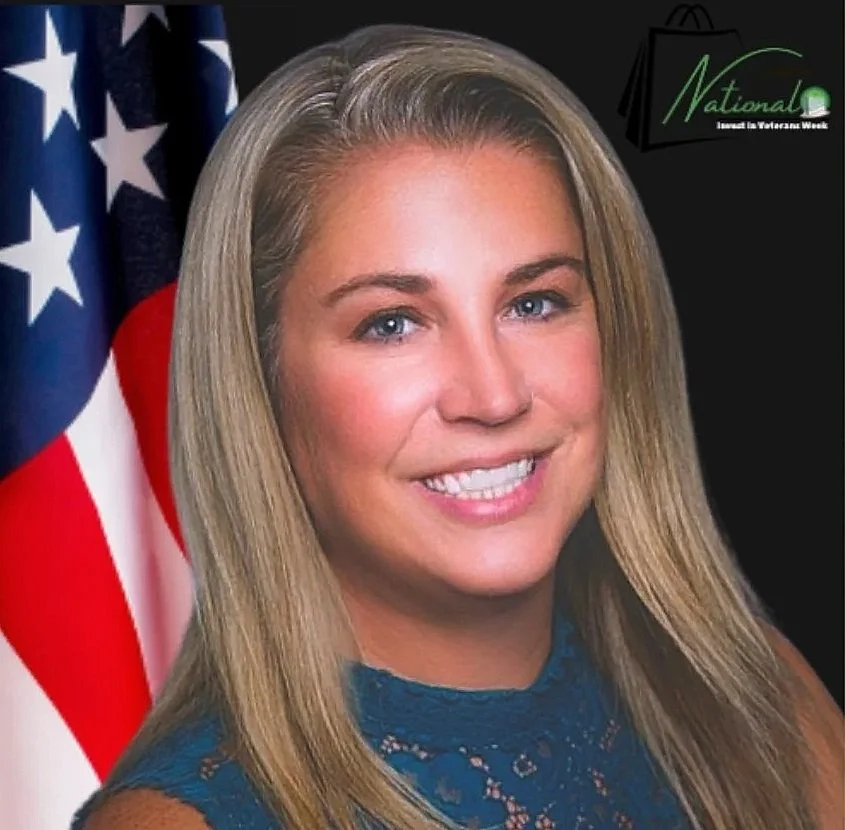
Sara Pomposo
Chief Advisor | Audience Growth & Strategic Syndication
-
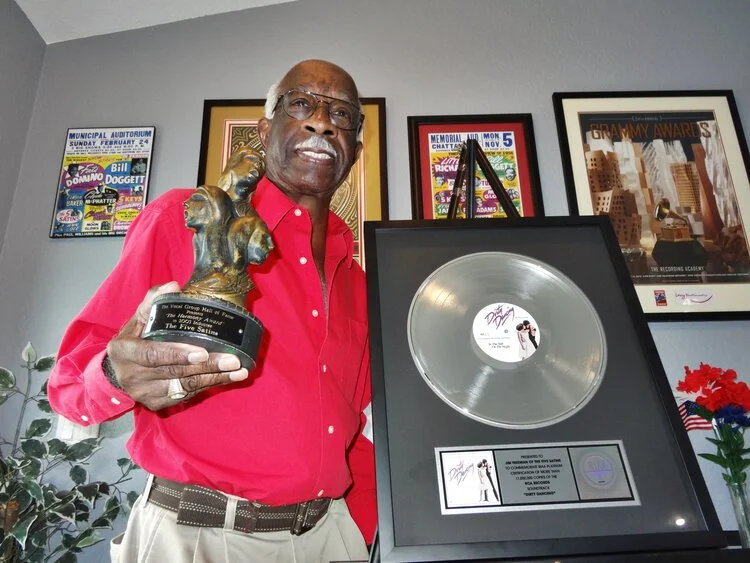
Jim Freeman of The Five Satins
GRAMMY Hall of Famer | Brand Ambassador
-
Pastor Ron Henson
Social Impact Advisor | Navy Veteran
-
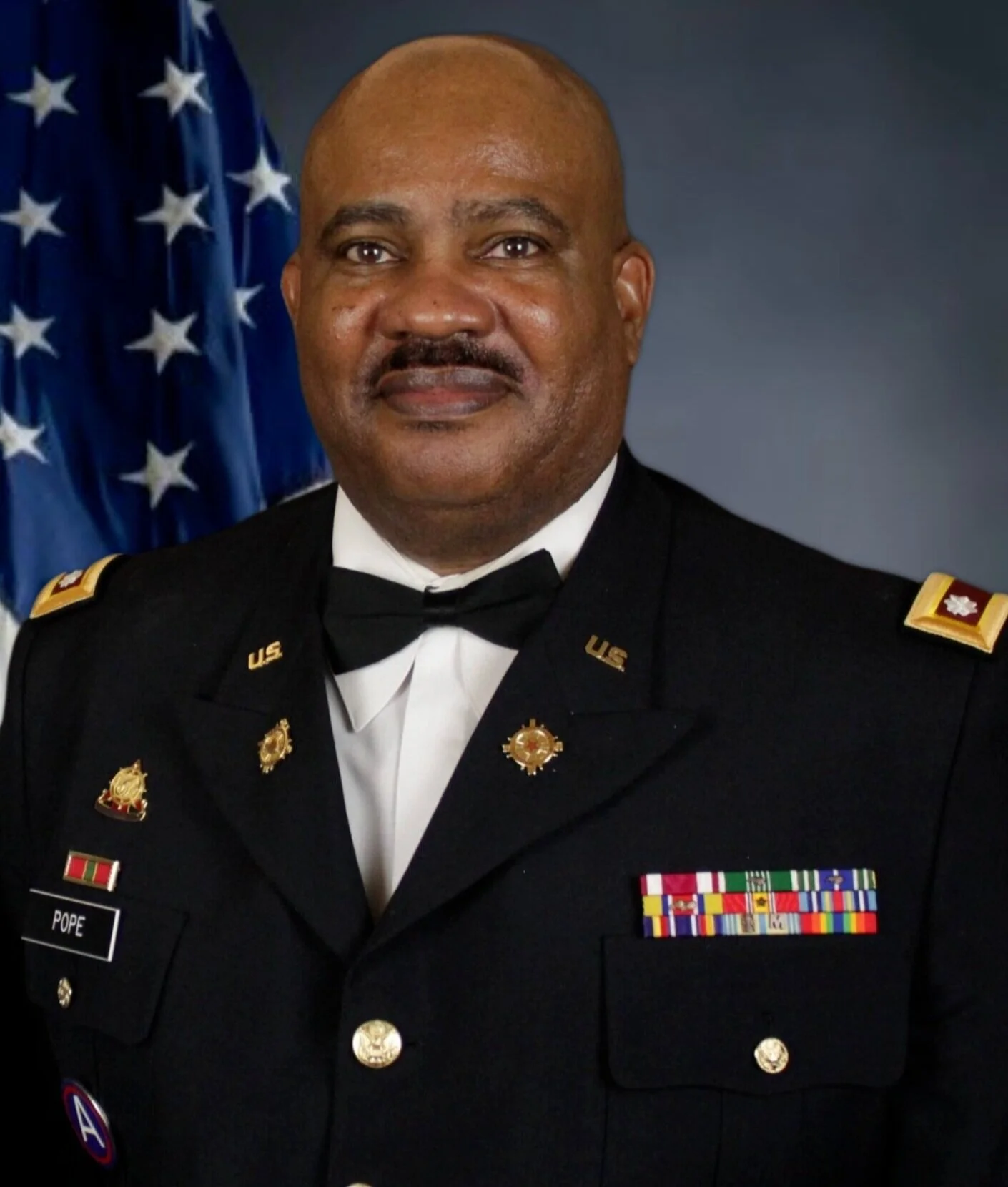
LTC Rickey L. Pope USA, Ret.
CO-FOUNDER | Retired Army Veteran, Retired Firefighter
-
Jeff Shuford
CO-FOUNDER | Iraq War Veteran & Military Spouse
-
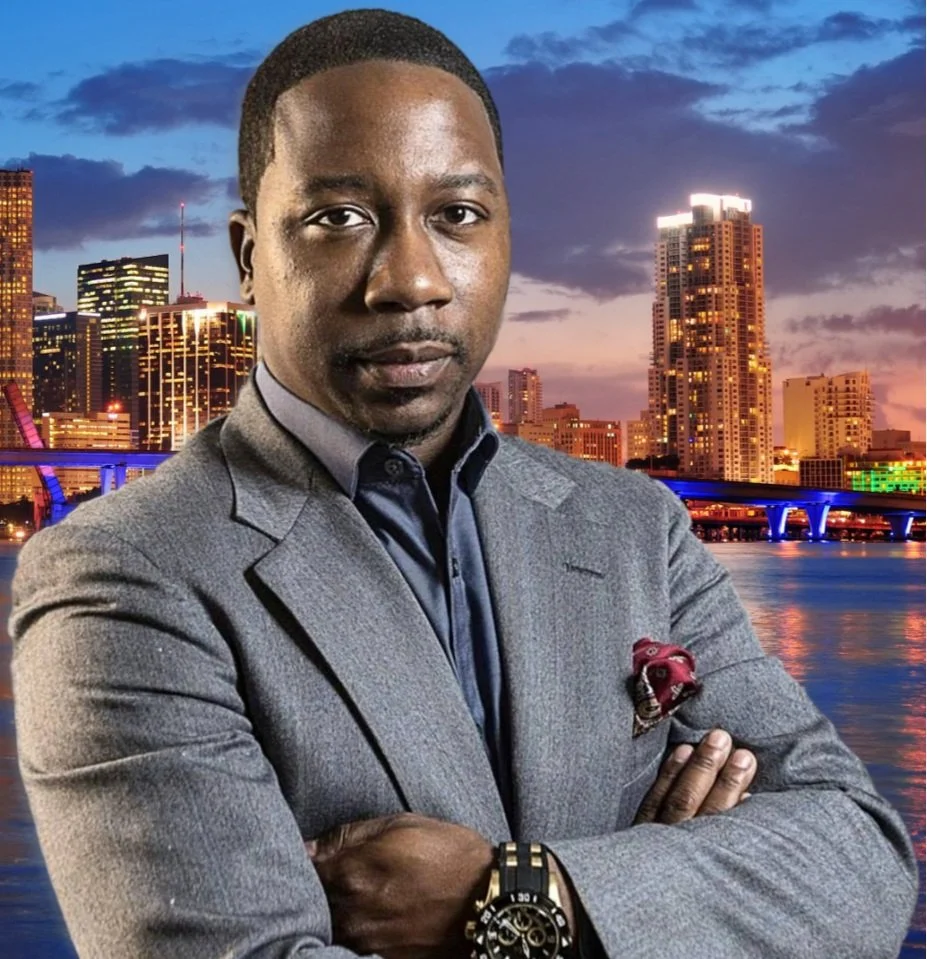
Drayton Florence
CO-FOUNDER | NFL Veteran & Military Brat
-
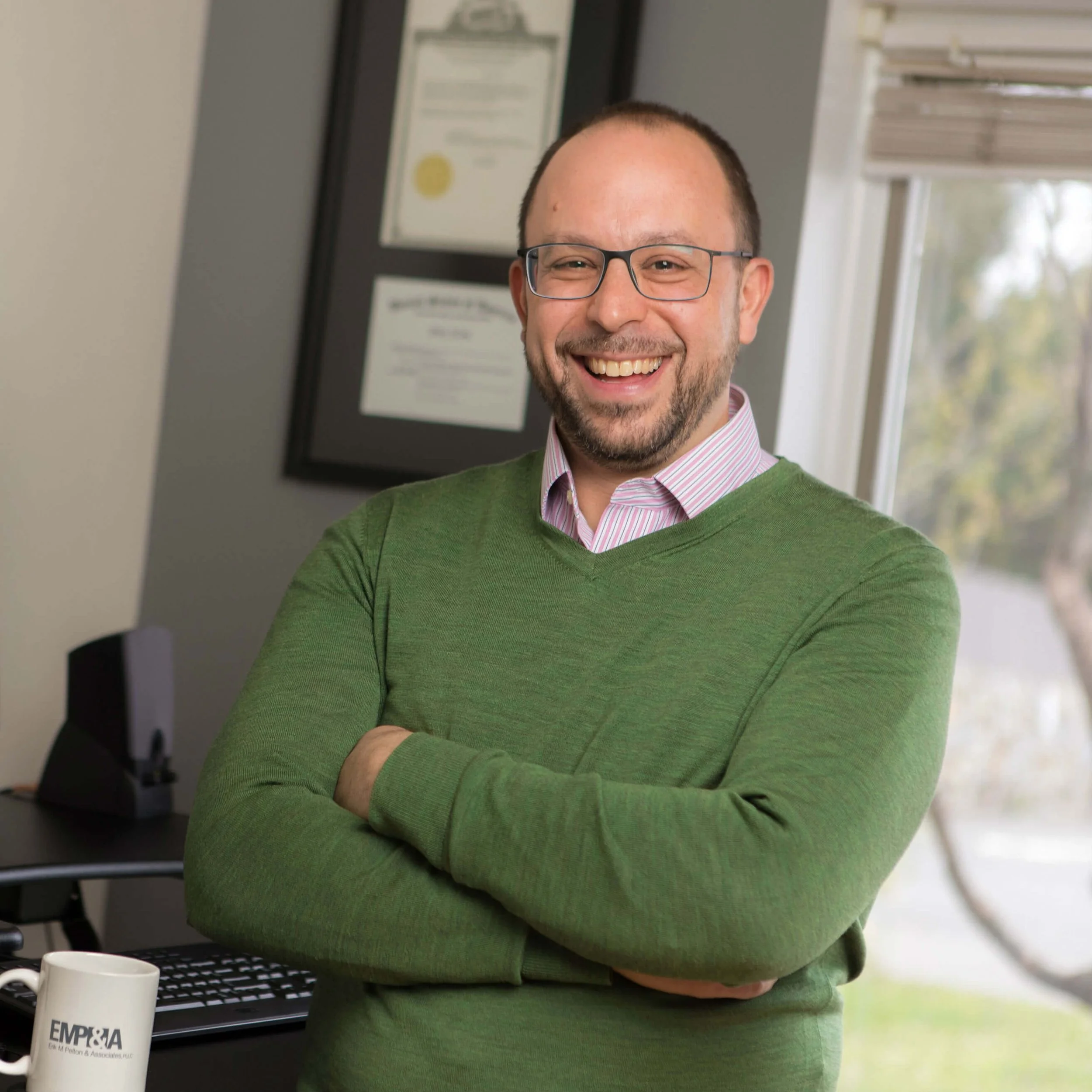
Erik M. Pelton & Associates, PLLC
Trademark Attorney | Veteran IP Advocate
-
CPT Sherman WIlliams, USA, Ret.
Advisor | Retired Army Veteran
-
Brandon Sugar
Legacy UX/UI Designer | Army Veteran
-
Mike Bicek
Creative Director | Army Veteran
-
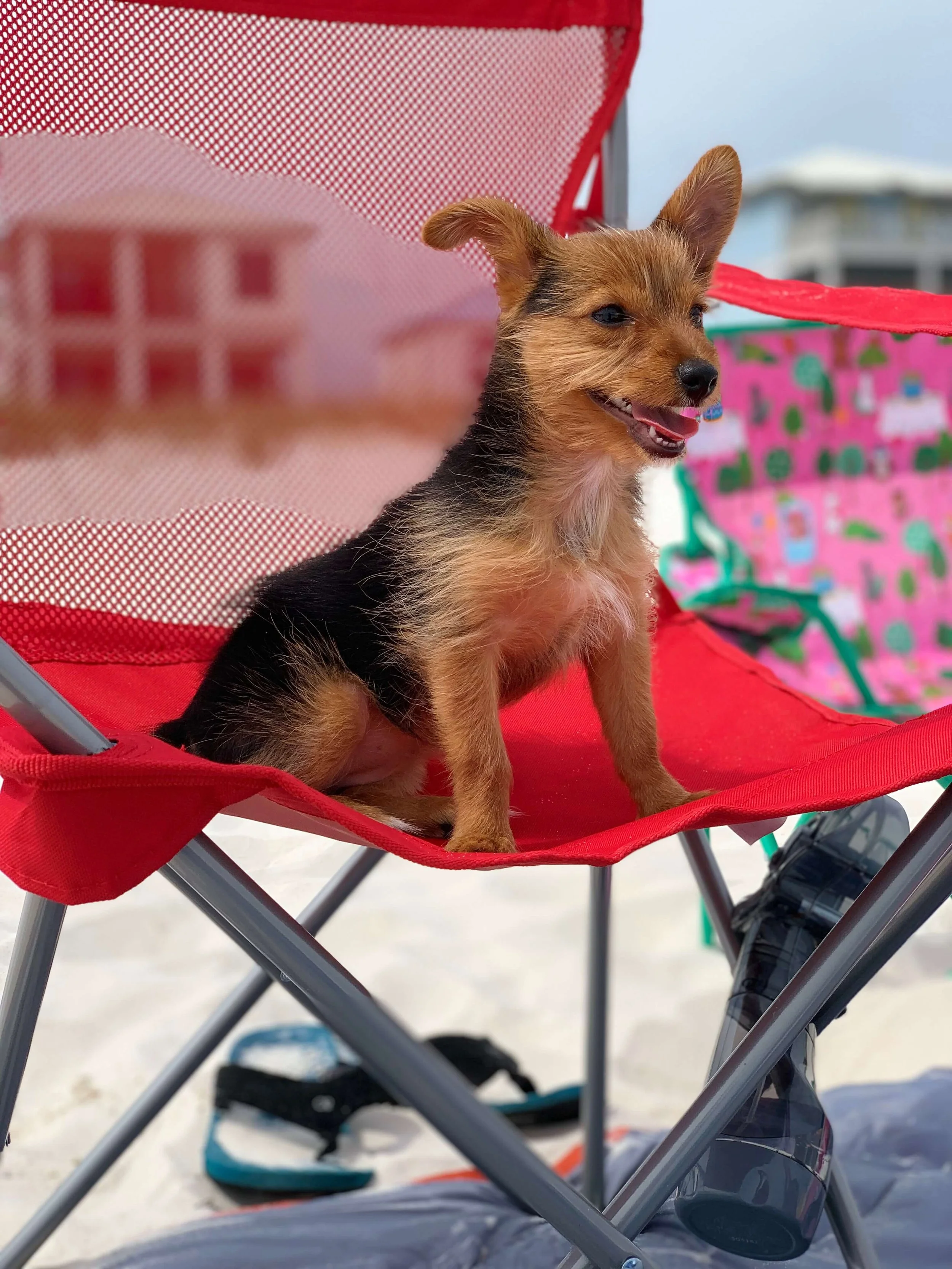
Private Jewel
Co-Founders Pup | Biewer Terrier
-
Lonnell McCall I
Sr. Spokesperson | Retired Navy Veteran
-
Celeste Everett
Legacy IT Consultant | Army Veteran
-
Lonnell McCall II
Jr. Spokesperson | Military Brat
-
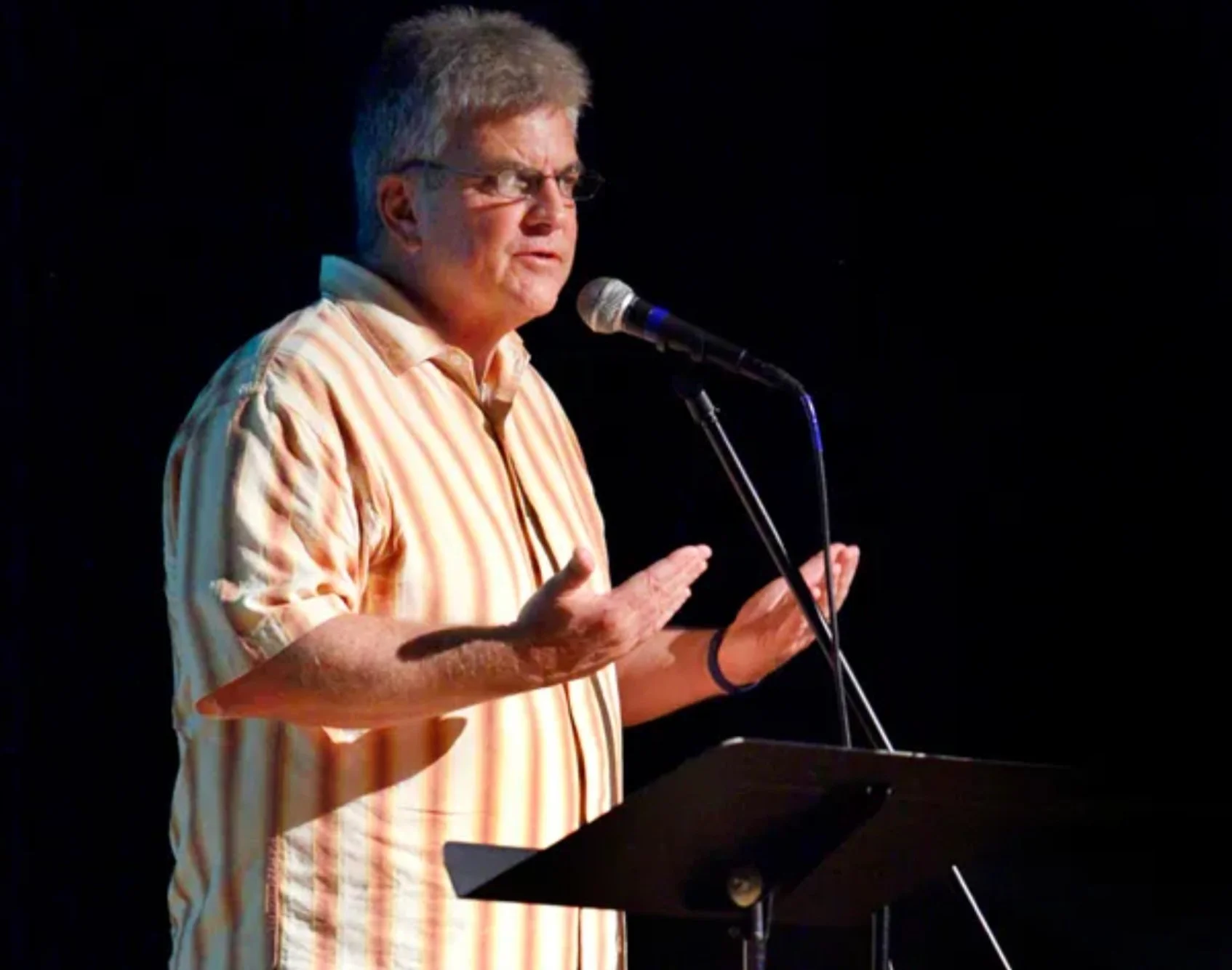
Christopher B. Mueller
Lead Video Spokesperson | Veteran Advocate
Veteran Business Super Intelligence℠ · Sponsored by National Invest In Veterans Week®
Veteran Business Superintelligence Frequently Asked Questions
How military operational discipline and artificial intelligence (AI) can help veteran-owned businesses scale, answered with sourced data on veteran business ownership, credit and growth.
In short: veteran business superintelligence combines military operational discipline with AI to scale veteran-owned enterprises faster than traditional models. Veterans' training in system adherence, rapid adoption of new tools and mission focus suits automated AI workflows, from 24/7 client communication to automated marketing and real-time financial tracking. The premise is a goal to test, and the answers below separate what the data shows from what it does not.
01What is veteran business superintelligence?
Veteran business superintelligence is an approach that pairs military operational discipline with artificial intelligence (AI) to help veteran-owned businesses scale. The premise is that veterans' training in frameworks, standard operating procedures and mission focus suits the way AI workflows are built and run. It is a way of working, not a product, and its promise of faster growth than traditional models is a goal to test in your own business, not a proven result.
02How does military discipline help a veteran run an AI-driven business?
Military training teaches people to follow proven frameworks, document procedures, plan around a mission and review results. Those habits map onto AI work: clear instructions, repeatable steps, defined outcomes and regular checks. AI tools reward owners who can state a process precisely, so a veteran who already writes a standard operating procedure has a head start. Discipline does not replace market knowledge or capital, which still decide whether a business grows.
03What is system adherence and why does it matter for AI workflows?
System adherence means following a defined procedure the same way each time. Automated AI workflows depend on it: a prompt, a sequence of steps and a review point have to be consistent for results to be reliable. Veterans trained on standard operating procedures often find it natural to write these down, test them and improve them. The skill is most useful when paired with a human check on anything customer-facing or financial.
04Do veterans really start tech and AI businesses at twice the rate of everyone else?
That claim circulates, but the sources used here do not support it, so treat it with caution until you can trace it to a named study. What the SBA Office of Advocacy does show is that the veteran share of businesses fell from 11.0% (2014) to 8.1% (2020), and that only 4.5% of post-9/11 veterans have started a business. If you quote a figure about veterans and AI, cite its source and year.
05What can AI do for a veteran-owned business?
Common uses include answering routine customer questions at any hour, drafting and scheduling marketing, summarizing documents, and tracking income, expenses and cash flow in near real time. Each saves time on repeatable work. Review anything that goes to customers or lenders, keep a person in the loop for exceptions, and check financial outputs against your own records before relying on them.
06Is 24/7 AI client communication a good idea?
It can be, for routine questions such as hours, pricing, scheduling and status updates, because customers get fast answers and you keep control of the script. Tell customers when they are talking to an automated assistant, give them an easy way to reach a person, and review conversations regularly. Do not let it make promises on price, delivery or legal matters without your approval.
07Where should a veteran entrepreneur start with AI?
Start with one repeatable task, not a tool. Write the steps of the task as a standard operating procedure, try an AI assistant on that single task, measure the time saved and the errors, and keep a human check. When it works, move to the next task. This follows the same discipline as a mission plan: define the objective, run a small test, review, then scale.
08How many veteran-owned businesses are there?
It depends on the count. The SBA VetCert list, snapshot of October 4, 2026, holds 42,114 certified veteran-owned firms, of which 34,319 show a public location. Certification is voluntary, so that is a subset of all veteran-owned businesses. The SBA Office of Advocacy puts the veteran share of businesses at 8.1% in 2020, and the Federal Reserve found 15% of small employer firms at least partly veteran-owned in 2022. Each measures a different group.
09Are veteran-owned businesses growing?
Recent federal data show a decline among employer firms: SBA Advocacy reports veteran-owned employer firms fell 11.5% from 2017 to 2020 while nonveteran firms grew 3.0%. Over half of veteran business owners are 65 or older, so retirements play a part. Among certified firms, many are new: the SBA list shows thousands started in 2024 to 2026. These are different measures and should not be added together.
10What share of certified veteran-owned firms are service-disabled?
On the SBA VetCert list of October 4, 2026, 85.5% of certified firms with a public location are service-disabled veteran-owned small businesses (SDVOSB), 29,346 of 34,319. Certification as an SDVOSB requires a service-connected disability. The share varies by state and metro area, and the list covers only firms that sought certification.
11Do veterans have a harder time getting business credit?
The evidence points that way. In the Institute for Veterans and Military Families analysis of the 2016 Survey of Consumer Finances, 23.96% of veteran business owners were turned down for credit against 18.47% of nonveteran owners. Among veterans turned down, 59% did not reapply. Veterans expecting denial most often cited personal credit history (49.4%) and a firm too new (34.2%). The survey is from 2016, so check for newer data.
12Which lenders approve small businesses most often?
In the Federal Reserve Banks' 2022 survey of small employer firms, the share of applicants at least partly approved was 82% at small banks, 76% at finance companies, 71% at online lenders, 68% at large banks, 65% at credit unions and 59% at CDFIs. These are all small employer firms, not veterans only, and the survey is a weighted convenience sample, so use it as a guide to ask about, not a prediction.
13Can AI help a veteran business get funded?
AI can help you prepare: organize financial statements, draft a business plan, build a cash-flow forecast and write a clear capability statement. It does not change what a lender looks at, such as credit history, time in business and repayment ability. Check every number an AI tool produces against your own records before sharing it with a lender.
14How do I start using AI in my veteran-owned business?
Pick one repeatable task, such as answering customer questions or tracking expenses. Write it as a standard operating procedure. Test one AI tool on it for a few weeks, measure time saved and mistakes, and keep a person reviewing results. Then repeat with the next task. Keep customer data protected and follow any rules that apply to your industry.
15Where can veteran entrepreneurs find help?
Options include the SBA's Veterans Business Outreach Centers, SCORE mentors, local chambers of commerce and veteran business groups, and events during National Invest in Veterans Week each March. Certification as a veteran-owned or service-disabled veteran-owned business can open federal contracting programs. Ask any provider what it costs and what it can and cannot do for your situation.
16Where does the data on this page come from?
The figures come from the SBA VetCert certified-firm list (snapshot October 4, 2026, public-location firms only), the Federal Reserve Banks' 2023 Report on Employer Firms (Small Business Credit Survey 2022), the Institute for Veterans and Military Families (2019), the SBA Office of Advocacy Issue Brief 18, and the FINRA Investor Education Foundation (2026). Each measures a different group and year, so they are shown side by side and not combined.
No question matches. Try a different word, or choose All.
Sources: SBA VetCert export of 2026-10-04 (aggregates, public-location firms); Federal Reserve Banks, 2023 Report on Employer Firms (Small Business Credit Survey 2022, 7,864 responses, weighted convenience sample); Institute for Veterans and Military Families, The Access to Capital Challenge (2019, 2016 Survey of Consumer Finances); U.S. SBA Office of Advocacy, Issue Brief 18. Each source measures a different group and year. General information, not legal or financial advice. Veteran Business Super Intelligence℠ · Sponsored by National Invest In Veterans Week®. Updated October 8, 2026.
Veteran Business Super Intelligence℠ · Sponsored by National Invest In Veterans Week®
Connecting Veterans in the CSRA The WJBF Story and the Data
A March 2025 WJBF report from Augusta, Georgia on one veteran's nonprofit and National Invest in Veterans Week, set beside data on housing, jobs, education, business ownership and credit.
Veteran Business Super Intelligence℠ · Sponsored by National Invest In Veterans Week®
Invest in Veterans Week in the Congressional Record Montana, H1049 and the Data
A one-minute House floor speech on March 8, 2024, checked against the SBA certified-firm list, the Federal Reserve, IVMF and SBA Advocacy, and set beside the South Carolina resolution and the Douglas County proclamation.
Professional, Scientific, & Technical Services
Veteran Business Super Intelligence℠ · Sponsored by National Invest In Veterans Week®
Invest in America, Invest in Veterans Rep. Mast, the SDVOSB Bill and the Data
A March 6, 2024 post by Representative Brian Mast of Florida's Treasure Coast on National Invest in Veterans Week and a House-passed bill for service-disabled veteran-owned small businesses, checked against the SBA certified-firm list and other data.
User Intent Pathways
Live monitoring of search behaviors. Categorizing inbound traffic by user objective—from mission discovery to direct legislative action.
Visitors arriving to understand the charter, history, and economic data. This is the primary pathway for policymakers and journalists seeking context.
Users searching with clear destination intent—locating specific dashboards, proclamations, or the official "Invest in Veterans" brand assets.
Institutional partners assessing the utility of the platform's intelligence layer, legislative proposals, and economic impact data.
Users attempting to execute a specific civic task—downloading proclamations, contacting representatives, or submitting media inquiries.
Market Strength
The most recent official spotlight confirms the scale of the veteran economy. Veterans now own over 1.6 Million Firms, driving employment for 3.2 Million Workers nationwide.
Veteran Business Super Intelligence℠ · Sponsored by National Invest In Veterans Week®
Montana Invests in Veterans Three Proclamations and the Data
Governor Greg Gianforte's Invest in Veterans Week proclamations for 2023, 2025 and 2026, compared clause by clause, with their numbers checked against the SBA certified-firm list, the Federal Reserve, IVMF and SBA Advocacy.